GWO BTT: The big industry problem that nobody's talking about
4.20 MB


Insights /
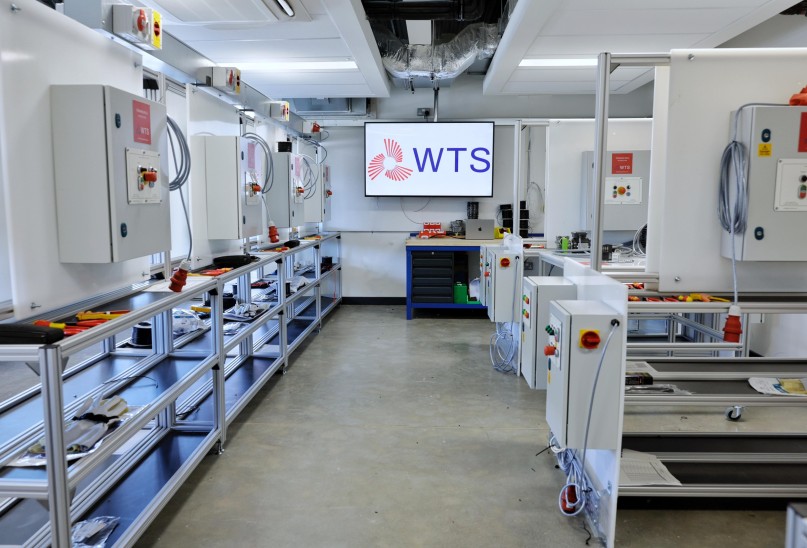

Half the industry blagged it for years, Dom included. Here's where wind's blagging culture came from, why it costs more than anyone admits, and what we do to break it.
I blagged it for the first half of my career.
I'm not proud of it. But I'm not ashamed of it either because honestly, it was just what you did. It was the unspoken rule. The done thing. Almost a rite of passage in wind.
You'd be up a turbine, stuck on a fault, no idea what was actually wrong. So you'd ring a mate, get the answer, fix the problem, and walk back into the office like you'd known what you were doing the whole time.
And you'd get away with it. Sometimes for years.
Here's the thing people don't want to say out loud — when everyone around you is blagging, the person who puts their hand up and says "I don't know" isn't seen as honest. They're seen as underqualified. Possibly a liability.
That's the fear. And it's a rational one.
Think about it from a technician's point of view. They look around and see people who know less than them doing the same job and getting away with it. Their manager buys the blag. The whole system rewards confidence over competence. So why would you be the one to break ranks?
If you don't blag it, the manager doesn't see a tech who wants to learn and be honest about where they are. They see someone who shouldn't be in that job. So you keep your mouth shut, act the part, and get on with it.
It's not laziness. It's not arrogance. It's self-preservation. And the system built that.
In my opinion, blagging culture in wind is the direct result of two things.
The first is mass employment. The industry grew fast, really fast. Companies needed bodies on turbines and they needed them quickly. There wasn't time — or in some cases appetite — to build people properly. You got your tickets, you got your basic training, you got sent up.
The second is the training itself. For years, the industry has relied on box-ticking, arse-covering, equipment-focused training that was never really designed around the technician — their actual knowledge gaps, their mental blocks, where they genuinely were in their understanding. It was designed to produce a certificate. That's it.
So you end up with a workforce full of people who were never properly given the chance to be honest about what they didn't know. And once that culture sets in, it's hard to shift.

People often assume blagging is a senior tech problem. Someone experienced enough to fake it convincingly.
It's not. I've seen it at every level.
New starters doing it because they're terrified of looking stupid in front of the team. Competent techs doing it because they've got one or two knowledge gaps they've never had a safe space to fill. Apprentices doing it because they've watched the experienced guys do it and assumed that's just how it works. Supervisors and leads doing it because admitting a gap at that level feels like professional suicide.
A lot of people are even honest about it, in a joking way. "Haven't got a clue" said with a laugh. Because the truth wrapped in humour is easier than the truth on its own. But underneath that joke is someone who is genuinely not confident in what they're doing. And that matters — on a turbine, that matters a lot.
On day one of every course at Wind Training Solutions, we call the blag out.
Not to catch anyone in the act, or to embarrass anyone. But to give every person in that room a way out; permission to just be where they actually are.
Every single time we do it, it's like a collective sigh of relief and you can almost see the tension leave the room. Suddenly people are asking the questions they've been too embarrassed to ask on site. Suddenly they're admitting they've never really understood something they've been working with for years. Suddenly real learning can happen.
That's what training should feel like.
We're also careful about how we describe our courses to clients before they send their techs, because for this to work, operators need to be honest too. The right technician on the right course is everything. And that only happens when everyone involved is willing to have an honest conversation about where their people actually are.
This isn't a tick-box exercise. We push people. We test them. We pull the information out of them and we do it in a way that builds confidence, not destroys it. Because the goal isn't to catch people out. It's to make them genuinely better.

I want to be clear, it's not all doom and gloom.
There are technicians out there who have taken complete ownership of their own development. They spend hours studying. They ask the hard questions on site. They're not interested in faking it, they want to actually know. Those people are an absolute pleasure to work with and they make our job easy.
And there are operators who genuinely get it. Who invest properly in their people. Who understand that real capability, not just certificates, is what keeps their assets running and their teams safe. When those operators find WTS, the reaction is always the same.
"Finally. A training company that will actually treat our technicians as individuals."
The wind industry needs half a million new technicians by 2028. The assets are getting bigger, more complex, more expensive to keep offline. The margin for error is shrinking.
We can't afford a workforce that's quietly winging it and hoping no one notices.
We understand the blag. We understand where it comes from and why it happens. But we don't accept it, and the technicians who come through our doors are better for it.
If you're an operator who's tired of box-ticking training that doesn't actually change anything, get in touch. Let's have an honest conversation about where your people are and what they actually need.
4.20 MB


